
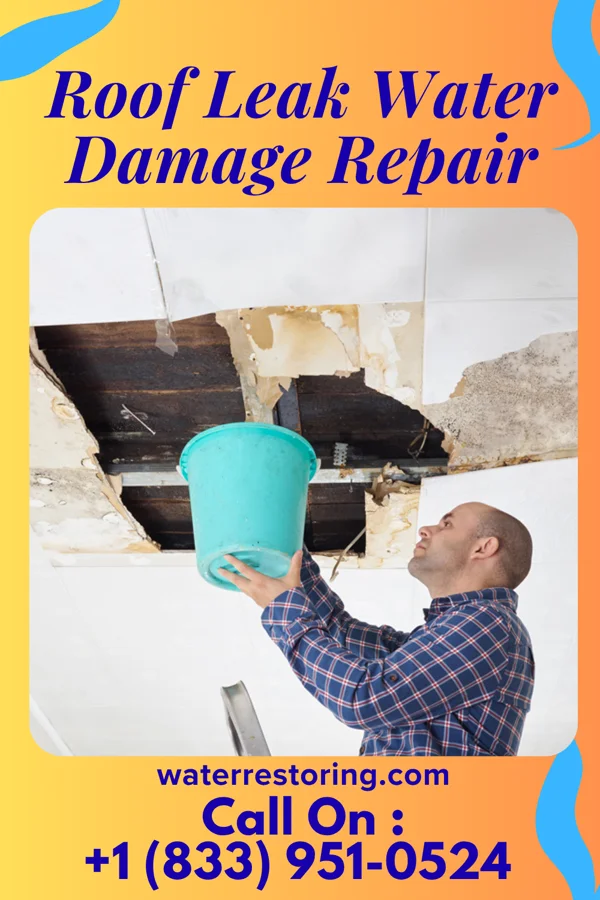
When Jefferson City Properties Need Roof Leak Repair
Water damage in Jefferson City usually starts with Jefferson City experiences a humid continental climate with frequent thunderstorms and heavy rainfall during the spring and summer months. These storms often bring strong winds and sudden downpours, which can lead to rapid water accumulation on rooftops. The region's geography, including proximity to the Mississippi River, can exacerbate flooding risks, especially during prolonged periods of heavy rain.. A close second is In the fall, Jefferson City can see a shift in weather patterns with cooler temperatures and occasional severe weather events. This transition period can result in sudden temperature drops and moisture buildup, increasing the likelihood of roof leaks and water damage. Winter snowfall, though less common, can also contribute to ice dams and structural stress on roofs.. Professional restoration follows the IICRC protocol on every job. Assess. Extract. Dry. Sanitize. Document.
Jefferson City's climate, characterized by high humidity and frequent severe weather, creates an environment where roof leaks and water damage are common. The combination of heavy rainfall, high temperatures, and occasional freezing conditions can lead to a variety of roofing issues, including shingle failure, flashing damage, and ice dam formation.
Water damage in Jefferson City follows a few local patterns. Jefferson City experiences a humid continental climate with frequent thunderstorms and heavy rainfall during the spring and summer months. These storms often bring strong winds and sudden downpours, which can lead to rapid water accumulation on rooftops. The region's geography, including proximity to the Mississippi River, can exacerbate flooding risks, especially during prolonged periods of heavy rain. accounts for the bulk of our calls. Jefferson City's climate, characterized by high humidity and frequent severe weather, creates an environment where roof leaks and water damage are common. The combination of heavy rainfall, high temperatures, and occasional freezing conditions can lead to a variety of roofing issues, including shingle failure, flashing damage, and ice dam formation. In Jefferson City, mold growth can begin within 48 hours of water exposure, particularly in damp and humid conditions. This rapid mold development can lead to secondary damage, including weakened structural components, compromised insulation, and health risks for occupants. Prompt water damage restoration is critical to prevent long-term issues.